

In 2023, my husband and I traveled to Nigeria to celebrate my birthday. What I hadn't planned on was my birthday coinciding with the country's presidential election. And that was just the beginning.
There were currency problems, transportation disasters, an Uber driver who put us out of his car because he decided he didn't want to take us out of town, and a second-degree burn on my calf.
At some point, you really do have to ask yourself: Is this a vacation or an episode of Survivor?
But here's the thing. Despite everything that went wrong, I don't regret going.
Because somewhere in the middle of all that chaos, I realized something important about myself.
I'm a traveler, not necessarily a tourist.
The difference between visiting a place and experiencing it
I enjoy a beautiful hotel, good food, and a well-planned itinerary as much as anybody. But that's not the only reason I travel.
I want to experience places as they actually exist, not just the carefully curated versions designed to make visitors comfortable.
That doesn't mean I enjoy getting stranded, struggling to access money, or getting injured. Absolutely not. But I also recognize that experiencing another country sometimes means confronting realities that are very different from my everyday life.
Nigeria gave me that experience in abundance.
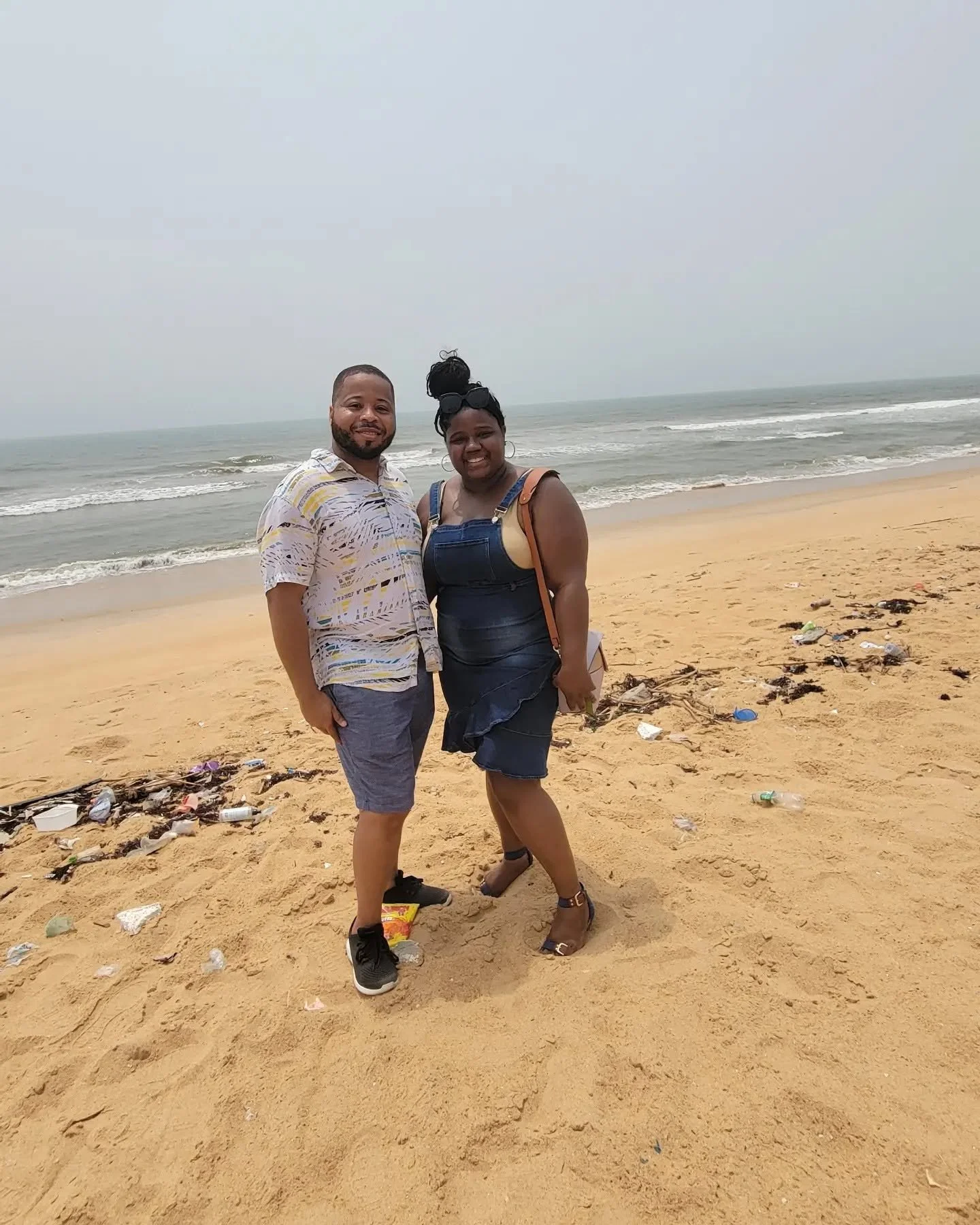
Door of No Return at the Coast
More than a vacation
Part of what made this particular trip meaningful was my ancestral connection to West Africa.
I went with the possibility that some of my ancestral roots might trace to Nigeria. And I wanted to experience that history beyond what I'd read or been taught.
Visiting the Door of No Return and seeing the places where enslaved Africans were held before being forced onto ships across the Atlantic was something entirely different from ordinary sightseeing.
Those experiences made the trip feel more like a pilgrimage than a vacation.
They also brought me face-to-face with something I hadn't necessarily anticipated.
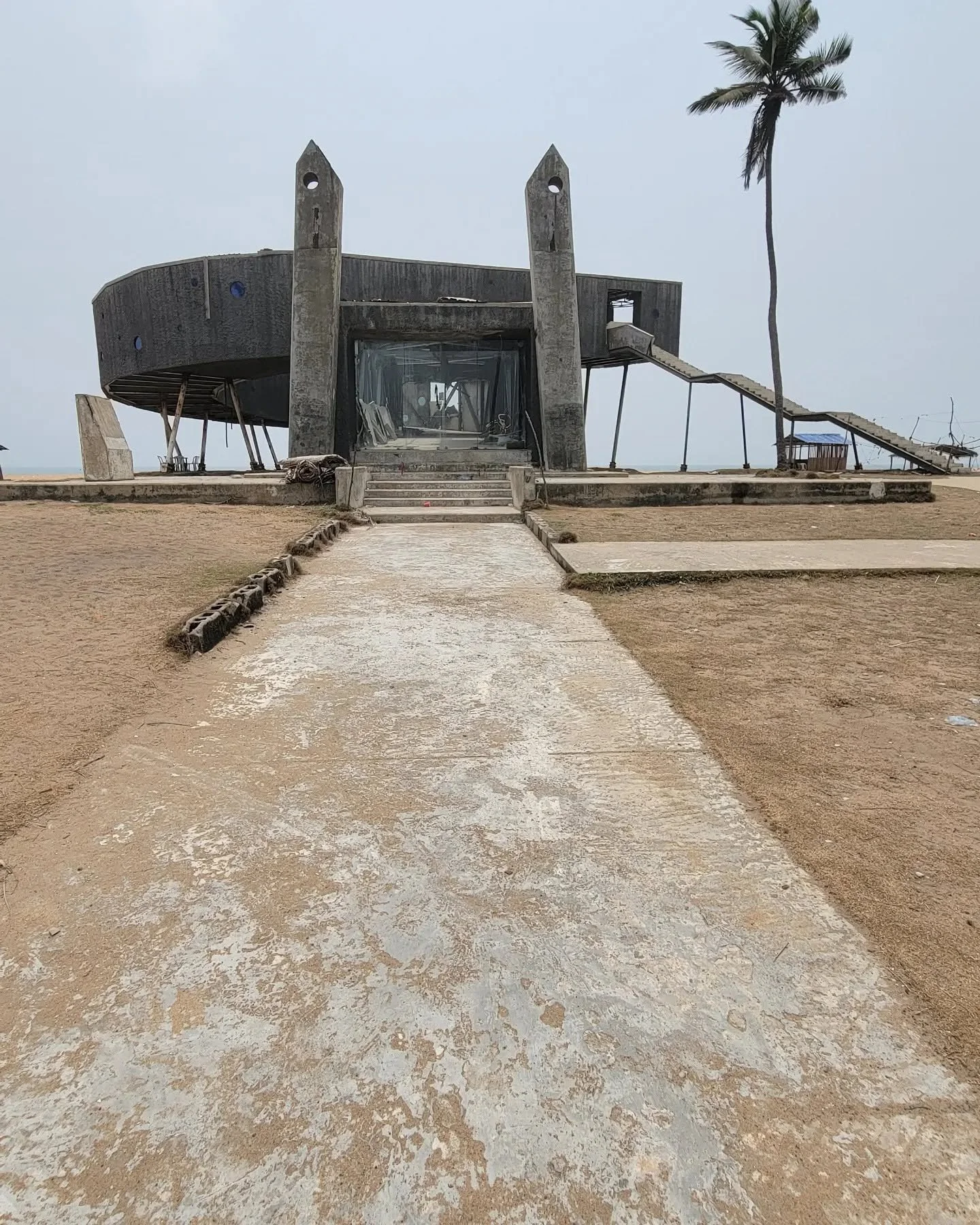
Gberefu Island, Badagry, Lagos State, Nigeria
Door of Return
What Nigeria taught me about being American
I think there can be an expectation among some Black Americans that visiting Africa, particularly a place connected to our ancestry, will feel like coming home.
That wasn't my experience.
We were Americans in Nigeria. That's how we were perceived and, in many ways, how we were treated.
There was a connection to the history, certainly. But there was also a very real cultural distance.
And strangely enough, I came home feeling more American than I ever had before.
Not because I felt any less connected to the African ancestors whose experiences ultimately shaped my existence, but because I understood something more clearly about my own identity.
My family's roots in America run back generations. My grandmother's grandmother's grandmother was American, too.
That history, with all its beauty, pain, struggle, and complexity, is part of who I am.
Africa is part of my ancestral story. America is my home.
Would I do it again?
The trip challenged me in ways I hadn't expected. My husband and I went through quite a bit together, and I genuinely believe the experience brought us closer.
I was grateful to have gone, grateful for what I'd experienced, and equally grateful when it was time to come home.
Nigeria wasn't the birthday vacation I imagined.
But it became something much more meaningful: an experience that changed how I understood travel, history, and myself.
And that, for me, is what traveling well is really about.
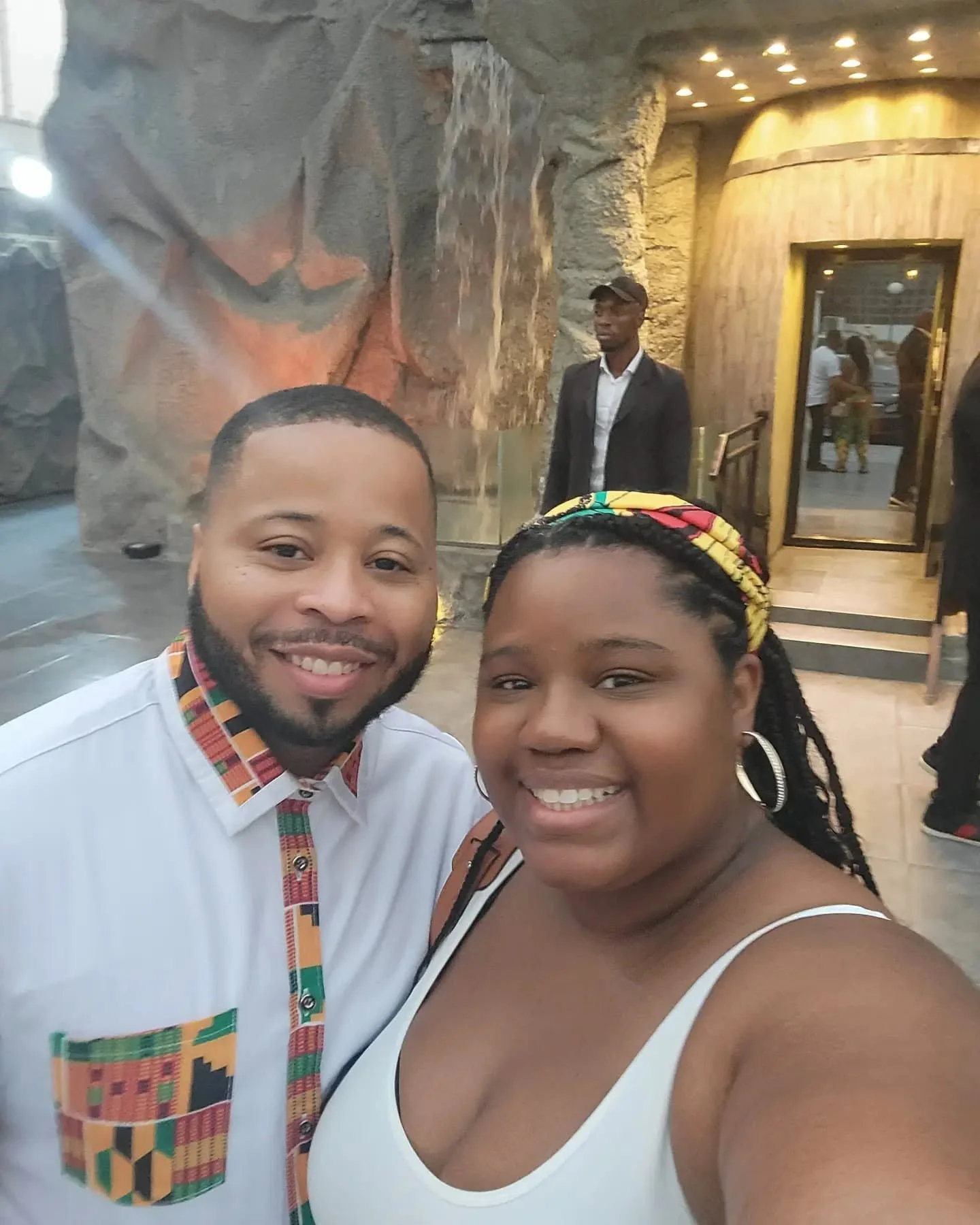
Kapadoccia Lagos
